We repair residential pressure regulators, checking valve size and access; Oakland International Airport, Paso Robles downtown, and Santa Monica Pier help orient our California service area.
Why Upstairs Fixtures Lose Water Pressure in Los Angeles Homes
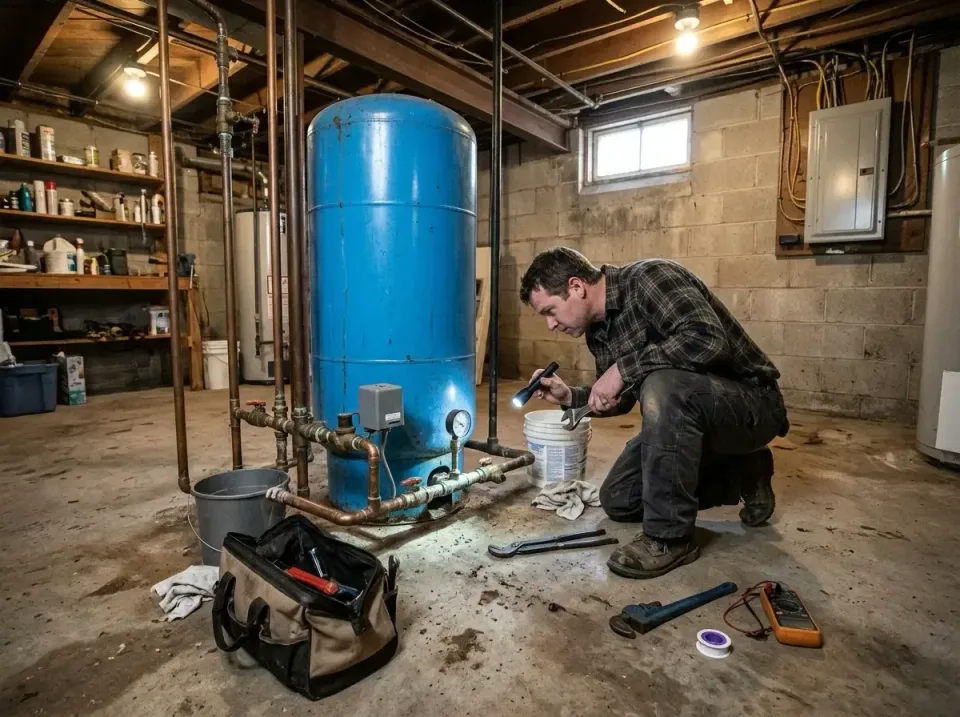
Why Do Upstairs Fixtures Lose Pressure in Los Angeles?
Upstairs fixtures often lose pressure when water has to travel through a restricted or undersized supply path, or when demand outpaces available flow. If showers and faucets downstairs work better, compare fixtures and note whether the problem changes when an appliance runs. Small clues matter.
In older homes and multi-story buildings, a pressure reading at the supply alone may not explain what reaches an upstairs bathroom. We test the system and look for pressure loss along the way before recommending a repair.
The Griffith Observatory is a familiar Los Angeles landmark; in hillside homes nearby, elevation can make a weak upper-floor flow especially noticeable, but testing is needed to identify the cause. Around Union Station, residents in varied building types may need a plumber to distinguish a building-wide supply issue from a fixture restriction.
A Downtown Los Angeles high-rise can have different plumbing arrangements than a house, so we check the actual system rather than assume one fix fits all.
What Makes Upstairs Water Flow Weaken?
When an upstairs shower is weak but lower fixtures seem normal, the problem may be a restriction in the branch serving that floor, a partially closed valve, or pipe resistance over a long run. A pressure reading near the main does not prove that enough water reaches a fixture while it is running.
We compare readings and flow at more than one point. That distinction prevents a common mistake: replacing a regulator before confirming it is the source.
Seasonal irrigation demand can affect neighborhood pressure when outdoor watering overlaps with household use. If several taps weaken at the same time, note whether the change happens during irrigation hours and whether cold and hot fixtures behave alike.
The difference helps narrow the search. Hard water is common in many California communities, and mineral deposits can gradually narrow a pipe or fixture passage, reducing flow even when the supply itself is steady.
Does Demand Explain the Pressure Drop?
If pressure drops when a washing machine or another fixture runs, the plumbing may not be delivering enough flow under combined demand. A simple observation helps: run one upstairs tap, then add a second fixture and note what changes. We use those symptoms alongside measurements rather than treating a single static reading as a diagnosis.
Inland areas with prolonged summer heat may see heavier outdoor water use, so a pressure change that appears at predictable times is worth recording. Drought-related supply restrictions can also affect water use patterns; they do not, by themselves, prove a home has a plumbing fault. We distinguish neighborhood supply conditions from an obstruction or failing component inside the property before discussing repairs.
When Should You Try a Simple Check?
If only one faucet has weak flow, check that its handle valve is fully open and inspect the aerator for debris. That is a reasonable homeowner step. Avoid adjusting a pressure-control device or opening pipework without knowing what it controls; an incorrect change can cause new problems or conceal the original one.
A whole-floor problem, repeated pressure loss, or a leak calls for a broader inspection. We check accessible shutoffs, examine likely restrictions, and measure system behavior while water runs.
California Plumbing Pros explains what those checks show before work proceeds. For a related symptom, our guide to hot water pressure lower than cold can help you compare hot- and cold-side clues.
What Can California’s Dry Season Change?
Dry summers increase wildfire risk in many areas, and wildfire damage can affect water systems or access for service crews. If a nearby disruption coincides with a sudden pressure change, ask whether neighbors are affected and check for a utility notice before assuming the fault is inside your home. Do not ignore a pressure loss accompanied by visible leakage.
Local conditions vary. For example, seasonal demand can differ between coastal communities and inland areas, so the timing and pattern of the symptom are useful details for diagnosis.
A home near Fresno Chaffee Zoo may face different summer conditions from a coastal property near La Jolla Cove; those landmarks help illustrate California’s range, not a specific pressure diagnosis. Our crew tests first, then explains the practical repair path.
Which Repair Fits Upstairs Pressure Loss?
The right next step depends on whether the restriction is at one fixture, within the home, or in the supply serving the property.
| Option | Best for | Key detail |
|---|---|---|
| Pressure regulator repair | Unstable or excessive pressure throughout the home | Residential settings are often 50–60 psi |
| Booster pump repair | Supply that remains inadequate after testing | A pump raises pressure when supply is insufficient |
| Well pressure tank repair | Weak flow paired with frequent well-pump cycling | Tanks are sized by drawdown capacity |
| Water main pressure diagnosis | A broad pressure problem affecting multiple fixtures | Compare static and flowing readings |
| Shower pressure troubleshooting | One upstairs shower with weak flow | Household pipe sizes commonly range from 1/2–1 inch |
Mineral scale can narrow pipe or fixture passages over time, so the apparent location of the problem may not be the actual source. In areas where wildfire damage affects water service or access, confirm whether the disruption is broader before arranging a property-side repair. Monterey Bay Aquarium is a recognizable coastal destination, while inland service conditions can differ; either way, a measured diagnosis beats a guess.
What Pressure Test Detail Do Pros Check First?
Pro tip: We compare pressure with fixtures closed against pressure while water is running; those readings can tell very different stories. A residential system commonly falls within 40–80 psi, and readings above 80 psi commonly call for a pressure-reducing valve, but that range alone does not prove why an upstairs fixture is weak.
At a property near the Big Sur coastline, access and long pipe runs can shape how we plan a test; the landmark is a reminder that California properties differ, not a diagnosis. Around Balboa Park, a multi-fixture comparison can help separate one blocked fixture from a broader supply issue.
If the home has a well, pressure tank air charge should be checked against the switch cut-in setting. We explain the measurements before recommending adjustment or replacement.
Common mistake: Treating one pressure reading as proof that the upstairs branch is clear.
Common Questions About Low Water Pressure Repair in California
Why Do Upstairs Fixtures Lose Pressure When the Downstairs Shower Runs?
Upstairs fixtures may lose flow when both showers draw water through a restricted supply path or when demand exceeds what the home can deliver. Compare the fixtures while each runs alone and together; a pressure test can show how readings change under flow.
How Much Does a Pressure Test Cost for Weak Upstairs Water Pressure?
A pressure test is $75–$200, with the amount tied to access and diagnostic scope. The gauge readings are measured in pounds per square inch, and comparing static with flowing pressure helps show whether a restriction appears under use.
Can I Fix Upstairs Fixtures with Low Water Pressure Myself?
Yes, if only one faucet is affected, you can check whether its handle valve is open and clean an accessible aerator. If several upstairs fixtures are weak, the pressure drops when appliances run, or you see a leak, have California Plumbing Pros test the system rather than adjust a regulator blindly.
Do Los Angeles Permits Apply to Repairs for Low Upstairs Water Pressure?
Some plumbing work may require permits through LADBS, and the Los Angeles Department of Building and Safety can provide permit guidance for the proposed scope. California Plumbing Code, Title 24, Part 5 also governs plumbing work, so confirm requirements before a repair that changes the system.
Would Pressure Regulator Repair Help If Only My Upstairs Shower Is Weak?
Pressure Regulator Repair is more likely to fit a home-wide pressure issue than a problem isolated to one shower. For one affected fixture, check its aerator or valve first; if multiple fixtures lose flow, testing can determine whether the regulator or another supply restriction is involved.
Ready to Get Help with Upstairs Pressure Loss?
A weak upstairs shower can come from a fixture restriction, a branch-line problem, or limited supply under demand. The useful first step is to compare which fixtures are affected and when the pressure changes. Don’t guess at adjustments.
-
One fixture: Check its accessible handle valve and aerator for debris.
-
Several fixtures: Note whether flow drops when appliances or other taps run.
-
Sudden change: Look for a leak or a neighborhood service disruption and arrange a professional assessment.
For homes near Fisherman’s Wharf, coastal salt air can speed corrosion on outdoor metal plumbing components, making visible exterior connections worth mentioning during an inspection. Joshua Tree National Park represents a very different California climate; properties in hot, dry areas may have distinct water-use patterns to consider. For an upstairs pressure problem in Los Angeles, contact California Plumbing Pros and arrange Water Pressure Testing so our crew can identify the likely source and explain a practical repair path.
Services Offered
Services We Offer in Los Angeles, CA
Explore related services available in Los Angeles, CA.
We repair residential booster pumps, including pump and control faults; typical repairs run $250–$900 depending on pump type and parts.
Water Pressure Testing compares static and flowing readings for homes and rental properties; typical testing runs $100–$250, depending on access and diagnostic scope.
We trace sudden whole-home pressure loss for California homeowners, checking supply lines and pressure equipment; repair scope and access determine the job price.
Shower Pressure Repair addresses weak shower flow, from showerhead buildup to fixture adjustments; typical repairs run $150–$500, depending on access and parts.
We diagnose weak hot-water flow at faucets and showers, checking heater connections and nearby piping; typical repairs run $150–$600, depending on access and parts.
Water Main Pressure Repair covers buried supply-line leaks and restrictions for homeowners and property managers; typical repairs run $500–$2,500, depending on excavation and pipe damage.
Clogged Pipe Pressure Repair clears flow restrictions in residential pipes; typical jobs run about $200–$1,200, depending on blockage location and pipe access.
Pressure tank repair covers residential well tanks, including air-charge and connection checks; typical repairs run $250–$600 depending on access and parts.
Water Filter Pressure Repair clears restricted housings and cartridge flow for California homeowners; typical jobs run $150–$600, depending on filter type and access.
We repair well pressure tanks for homeowners, checking tank air charge and switch settings; repair costs depend on tank size, parts, and access.
We repair residential well pumps, switches, and pressure controls; pump type, parts, and access shape the job. Typical repairs may run $300–$1,500.
Cities & Towns
Service Areas in Los Angeles
Select a city to find local low water pressure repair providers we cover in Los Angeles.
Frazier Park, CA93225San Fernando, CA91340Duarte, CA91010Encinitas, CA92024Nipomo, CA93444Newport Beach, CA92625San Juan Capistrano, CA92675Alameda, CA94501Seal Beach, CA90740Loomis, CA95650Big Bear City, CA92314Santa Maria, CA93458Thousand Palms, CA92276Albany, CA94706Newark, CA94560Glendora, CA91741San Dimas, CA91773Palmdale, CA93552Fort Irwin, CA92310Hawaiian Gardens, CA90716Garden Grove, CA92844San Jacinto, CA92582Moreno Valley, CA92553Azusa, CA91010
Show all 300 cities
West Hollywood, CA90069Bonsall, CA92003Avalon, CA90704Running Springs, CA92382Anaheim, CA92806Sacramento, CA95816San Marino, CA91108Cathedral City, CA92234Lakeside, CA92021Menifee, CA92586Rancho Cucamonga, CA91730Stevenson Ranch, CA91381Pismo Beach, CA93449Hemet, CA92545Buellton, CA93427Palm Desert, CA92211Yucca Valley, CA92284Alpine, CA91901Maywood, CA90270Rocklin, CA95677Lucerne Valley, CA92356Beverly Hills, CA90212Yucaipa, CA92399Los Angeles, CA90210Pleasanton, CA94566Camarillo, CA93012
Get a Quote
Get a Low Water Pressure Repair Quote in Los Angeles, CA
Share job details below or call our team directly. Phone: (877) 773-0781